
Understanding Bohemian Style
Bohemian style, often referred to as “Boho,” embodies a free-spirited aesthetic characterized by vibrant colors, eclectic patterns, and an overall relaxed vibe. This decor style draws from various cultural influences, allowing for a rich tapestry of textures and hues that reflect an individual’s personality and experiences. The essence of Bohemian design lies in its creative flexibility, promoting an environment where artistic expression is the most important. Layered textiles, such as throws and cushions, play a crucial role, often featuring folkloric motifs and bold prints that invite warmth and comfort.
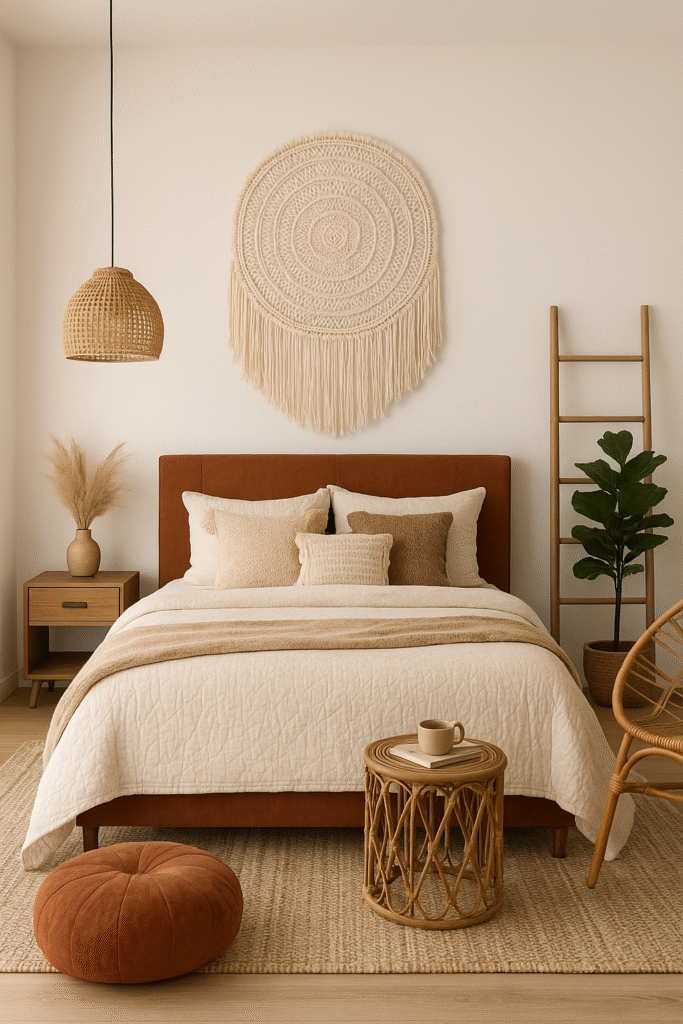
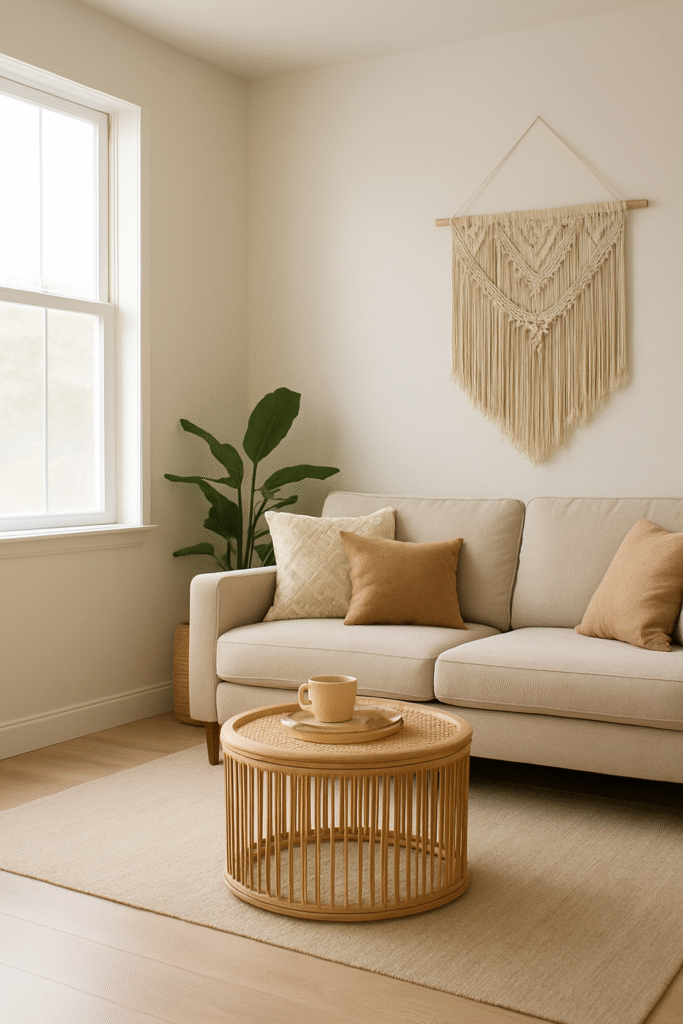
Vintage furniture also serves as a hallmark of Bohemian style. The use of unique, second-hand pieces adds character and history to a space, helping to create a narrative that resonates with its inhabitants. Additionally, plants are integral to Bohemian decor, bringing a touch of nature indoors and contributing to the lively atmosphere. The resulting space often feels both inviting and personal,
However, while Bohemian decor presents numerous benefits, such as fostering a warm atmosphere and accommodating individual expression, it can also pose challenges. One significant downside is the potential for clutter; the abundance of layered decor can overwhelm smaller areas, leading to a chaotic visual effect. Therefore, this style is often best suited to larger spaces or eclectic homes where the myriad of textures and colors can harmoniously coexist without creating a sense of chaos.
When considering the implementation of the Bohemian style, it is most effective in environments that allow for freedom and creativity. Living rooms, bedrooms, or communal spaces that prioritize comfort over formality are ideal for showcasing the diverse elements of this captivating decor style.
In conclusion, Bohemian design encourages a celebration of personal style through its diverse and adaptable nature, making it a favored choice for those seeking a vibrant and eclectic home environment.
Exploring Scandinavian Design
Scandinavian interior design is a timeless style that originated in the Nordic countries of Denmark, Sweden, Norway, and Finland during the early 20th century. It gained global recognition in the 1950s as a design movement that perfectly blended beauty and practicality. Deeply influenced by the region’s climate and lifestyle, Scandinavian interior design is characterised by bright, airy spaces to counter long, dark winters.
Scandinavian design is a distinctive style celebrated for its simplicity, functionality, and emphasis on natural elements. Originating from Nordic countries, this interior design philosophy prioritizes minimalism while encompassing a warm and inviting atmosphere. The fundamental principles of Scandinavian decor focus on creating spaces that are both aesthetically pleasing and highly practical, making an environment that promotes relaxation and comfort.
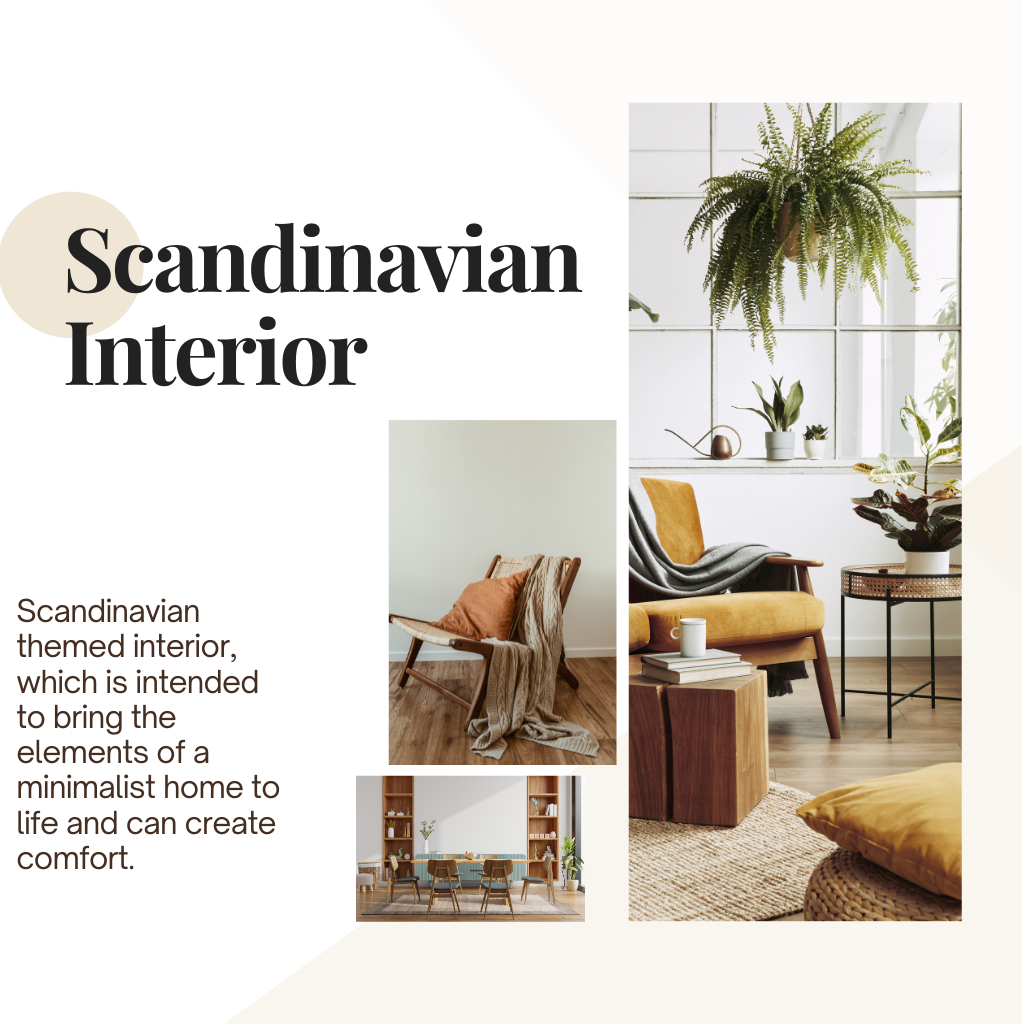
A defining characteristic of Scandinavian design is its light color palette. Shades of white, grey, and soft pastels create an airy feel that contributes to an overall sense of spaciousness. This approach is complemented by minimalistic furniture, which often features sleek lines and organic shapes. Furnishings are typically designed to be both stylish and functional, offering versatility that makes them suitable for a variety of spaces.
Another essential aspect of Scandinavian interiors is the integration of nature. Designers frequently incorporate plants, natural materials, and organic textures to bring the outdoors inside. This connection to nature not only enhances the aesthetic appeal but also fosters a sense of tranquility and well-being. The generous use of wood, particularly in flooring and furniture, adds warmth, further contributing to a cohesive and comforting environment.
While the advantages of Scandinavian design are numerous—such as its ability to create a calm and spacious feel—there are potential downsides to consider. If not executed thoughtfully, spaces can risk appearing too sterile or bland, lacking the vibrant character that makes interiors engaging. Therefore, it is crucial to introduce personal touches such as unique decor items, textiles, or bold accents to enliven the design.
Scandinavian design is particularly suitable for urban or compact living environments, where efficiency and space optimization are paramount. By embracing this style, residents can achieve a serene atmosphere that enhances their daily living experience without sacrificing functionality.
Tips on How to Achieve Scandinavian Interior Design in Homes :
Living Room
The living room is the heart of Scandinavian design, offering a blend of style and comfort. Keep the space light and airy with thoughtful decor.
- Use a neutral palette with pops of pastel.
- Choose a contemporary sofa and coffee table with a basic shape.
- Introduce a large area rug and cosy throws.
Bedroom
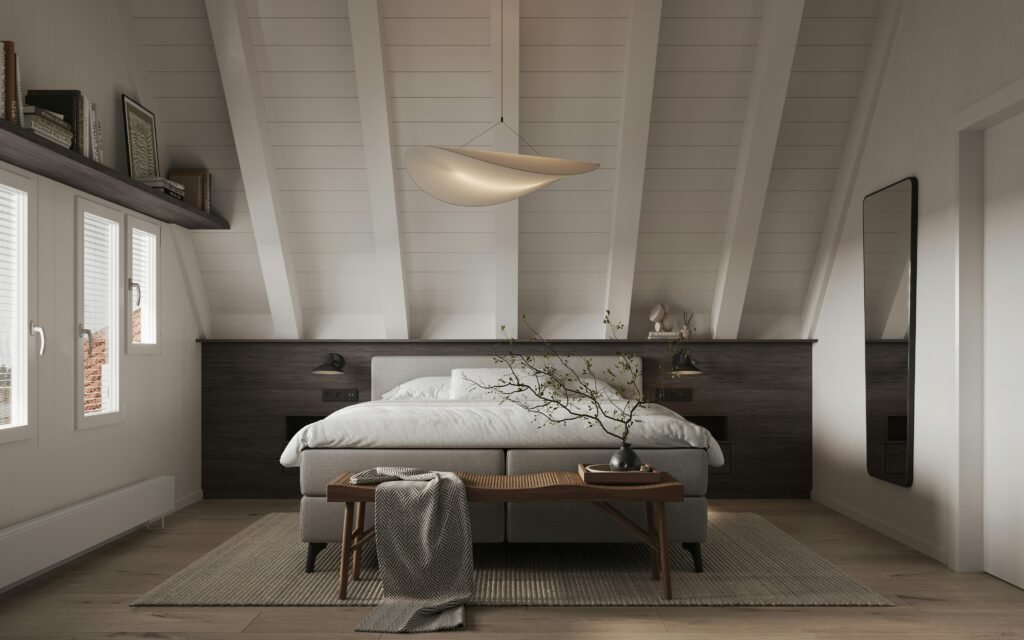
Scandinavian bedrooms are serene and restful, designed to promote relaxation with a minimalist approach.
- Stick to a light colour palette, like greys and whites.
- Choose functional furniture, like a bed with storage.
- Add cosy elements such as linen bedding and a soft throw.
Defining Modern Interior Design
Modern interior design is characterized by its clean lines, geometric shapes, and a carefully curated aesthetic that aims to provide a functional and visually appealing living space. Emerging in the late 19th and early 20th centuries, this style emphasizes simplicity and practicality, often seen as a reaction against the ornate styles of the past. One of the key principles of modern decor is the effective use of open spaces, allowing for a seamless flow between different areas of a home. This not only enhances the overall functionality but also creates a sense of serenity and order.
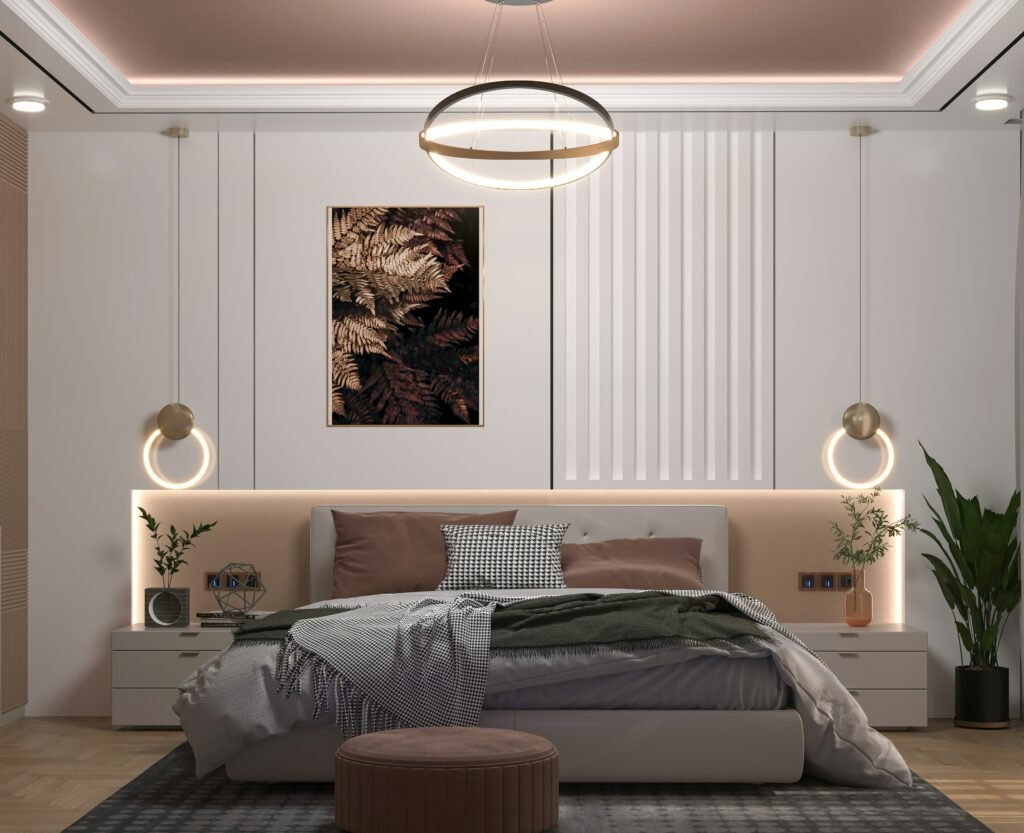
A defining aspect of modern interior design is its emphasis on materials and textures. Utilizing elements such as glass, metal, and wood, designers strive to create a harmonious balance that does not distract from the overall theme. The absence of excessive embellishments helps in achieving a streamlined environment that promotes efficiency. Additionally, technology plays a significant role in modern design, with smart home features and energy-efficient options integrated into the overall decor.
While the benefits of modern decor include a timeless appearance and minimal maintenance, it is important to consider its potential drawbacks. If not designed thoughtfully, spaces can feel cold or uninviting, lacking the warmth that some homeowners desire. Therefore, it is essential to introduce elements such as color, art, or textiles to infuse life into the environment alongside the sleekness of modern decor.
This style is particularly well-suited for contemporary homes or spaces that thrive on a clean, organized appearance. Ideal setups include urban apartments, modern offices, or newly constructed dwellings where space can be optimized without compromising the aesthetic. In conclusion, modern interior design is a palette of simplicity and functionality, creating environments that are not only stylish but also conducive to modern living.
Understanding Minimalism: The Art of Less
Minimalism is a design philosophy that emphasizes simplicity and the principle of “less is more.” It is a style that seeks to create spaces that are uncluttered and peaceful, promoting an intentional and thoughtful approach to decor. Central to this design aesthetic is the use of neutral color schemes, which often include whites, greys, and soft earth tones. These colors avoid overwhelming the senses, allowing the beauty of the space itself to shine through.
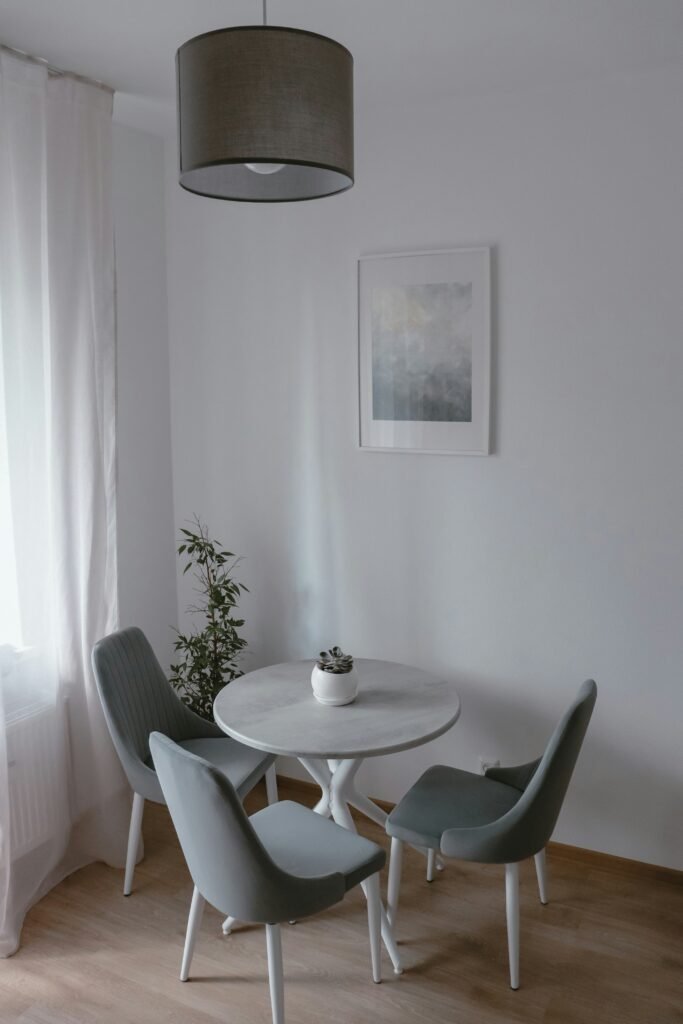
The essence of Minimalism lies in the careful selection of furniture and decor elements. Multifunctional furniture plays a crucial role in minimalist design, as it reduces the need for multiple items while maximizing space efficiency. For instance, a coffee table that doubles as storage or a bed with built-in drawers illustrates how functionality can coexist with style. By prioritizing the essentials, minimalism encourages homeowners to curate their environments thoughtfully, choosing only items that serve a purpose or bring joy.
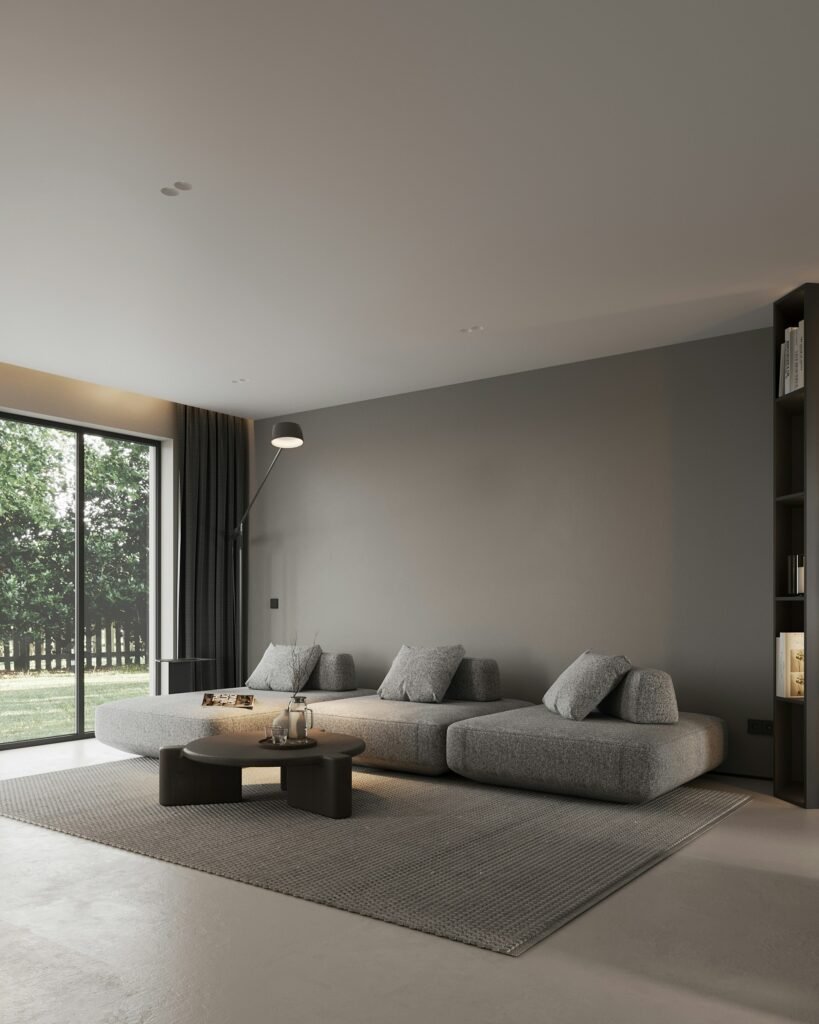
The advantages of adopting different types of decor within a minimalist framework include the creation of tranquility and an enhanced perception of space. This is particularly beneficial in small living quarters where every square foot matters. The open and airy ambiance that results from minimalistic design can foster a sense of calm and mindfulness, making it an ideal choice for individuals seeking refuge from the chaos of daily life.
However, there are also challenges associated with minimalism. Achieving a comfortable atmosphere may require careful consideration and intentional placement of decor elements. If not executed properly, a minimalist space can feel sterile or uninviting. Optimal scenarios for minimalism often include small apartments or homes, as well as locations where residents desire a serene and organized environment without the distractions of excessive furnishings.